
ENDANGERED WILDLIFE AND ENVIRONMENTAL TRUST (EWET)
Wildlife Research | Environmental Education | Biodiversity Conservation | Field Documentation | Community Engagement
Founded in 2008 | Registered in 2012 | Registration No. 872/2012 | Head Office: Thanjavur, Tamil Nadu, India
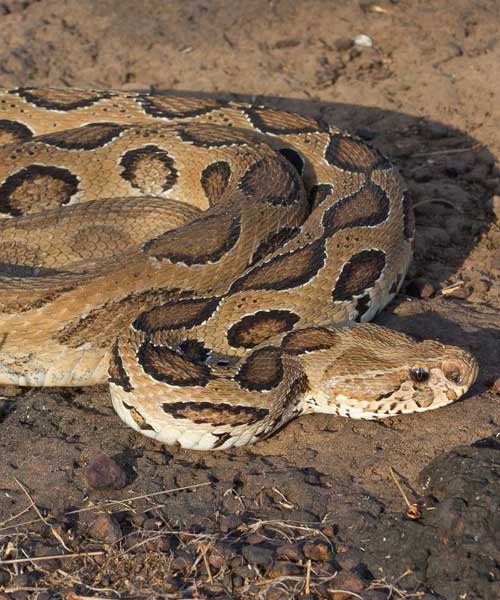
We began our journey in 2008 with a commitment to wildlife, nature and environmental protection. Since then, we have continued to develop our work through field experience, wildlife rescue, biodiversity observation, environmental education, scientific documentation and cooperation with relevant government departments, educational institutions, research organisations and local communities
We formally registered the Endangered Wildlife and Environmental Trust (EWET) in 2012 under Registration No. 872/2012. From the beginning, our intention has been to build an organisation that does more than respond to wildlife emergencies. We want our practical experience to contribute to scientific understanding, public safety, environmental awareness and long-term conservation.
Our work is rooted in Thanjavur and the wider Cauvery Delta, a landscape of rivers, agricultural fields, village ponds, wetlands, coastal ecosystems and human settlements. These environments support diverse forms of life and present important questions about biodiversity, habitat conservation, climate change and the relationship between people and wildlife.
Over the years, we have learned that conservation cannot be achieved through isolated activities. Wildlife rescue, scientific research, education, habitat documentation, community participation and institutional cooperation must complement one another.
This understanding continues to guide our work. We strive to connect what we observe in the field with what we document, what we teach and what we contribute to conservation.
We believe that responsible conservation requires cooperation among organisations with different responsibilities and areas of expertise. Accordingly, our work is developed through coordination with relevant government departments, district-level authorities, educational institutions, technical experts and community stakeholders, according to the nature of each activity.
Our institutional engagement includes conservation and awareness-related work associated with the Tamil Nadu Forest Department and Thanjavur Forest Division; district-level engagement involving the Thanjavur District Collectorate; and activities and areas of cooperation relevant to the Tamil Nadu Tourism Development Corporation, Tamil Nadu Pollution Control Board, Animal Husbandry Department, Government Veterinary College, Tamil Nadu Fire and Rescue Services, Public Works Department and Disaster Management authorities.
The precise role of each institution depends on the activity concerned. These relationships may involve field coordination, awareness programmes, training, technical guidance, educational activities, public engagement or project planning.
We recognise the importance of respecting the responsibilities and statutory powers of each department. We therefore seek to ensure that wildlife-related interventions, research activities, public awareness programmes and environmental initiatives are undertaken with appropriate coordination and in accordance with applicable permissions and procedures.
For us, interdepartmental cooperation is not simply a formal arrangement. It is an essential part of developing practical solutions to conservation and environmental challenges.

Wildlife rescue has been one of the important foundations of our work. Through our field activities, we have responded to situations involving wild animals encountered in residential areas, agricultural landscapes and other human-dominated environments.
Our work has included wildlife-related responses involving snakes and other reptiles, as well as other animals requiring assistance or appropriate intervention.
These experiences have taught us that a rescue operation involves more than safely approaching an animal. It requires correct identification, an understanding of animal behaviour, appropriate equipment, field safety, attention to animal welfare and decisions based on the animal’s condition and ecological requirements.
Where necessary, we coordinate wildlife-related matters with the appropriate Forest Department authorities and other relevant agencies. We recognise that the responsibilities of wildlife authorities, veterinary professionals, emergency services and conservation organisations are distinct, and effective responses depend on appropriate coordination.
We emphasise the importance of reducing unnecessary fear, discouraging the killing of wildlife, promoting safe public behaviour and ensuring that animals are handled responsibly.
We also understand that rescue, rehabilitation and release are different stages of wildlife management. Each case must be considered individually, taking account of legal requirements, the animal’s health, its suitability for release and the ecological conditions of the proposed release location.
Our field experience has encouraged us to look beyond individual rescue incidents. We seek to identify patterns in wildlife encounters, improve our documentation and use the questions arising from fieldwork to guide future research and public education.
We consider every appropriately documented incident an opportunity to improve our understanding of wildlife and human–animal interactions.
The biodiversity of the Cauvery Delta is central to our conservation interests. Its interconnected rivers, canals, wetlands, ponds, agricultural landscapes, coastal habitats and settlements create a complex environment in which human activities and wildlife are closely connected.
Our field interests extend across Thanjavur and other relevant parts of the Delta region, including Tiruvarur, Ariyalur, Perambalur, Pudukkottai, Kumbakonam and surrounding landscapes.
We are particularly interested in documenting species and habitats that are often overlooked in public discussions about wildlife. Reptiles, amphibians, resident and migratory birds, aquatic mammals, freshwater turtles, coastal species and smaller organisms all contribute to the ecological functioning of the region.
We believe that local biodiversity must be understood through systematic observation rather than general assumptions. A habitat survey, species checklist or wildlife sighting must be interpreted according to the methods used, the area covered, the duration of observation and the limitations of the available information.
Where our activities concern wetlands, river systems, coastal habitats or environmental quality, we recognise the relevance of coordination with the appropriate authorities, including the Forest Department, Public Works Department, Pollution Control Board and other agencies responsible for the particular site or environmental issue.
Our objective is to contribute to a better understanding of the region’s natural heritage and to support conservation through reliable documentation, education and cooperation.
We want our field experience to contribute to a growing body of scientific knowledge. For this reason, we give importance to species identification, habitat documentation, systematic observation, geographical records, field notes and the careful interpretation of evidence.
Our research interests include crocodiles, star tortoises, birds, butterflies, otters, golden jackals, birds of prey, wetlands, mangroves, snakes and other aspects of regional biodiversity.
These areas represent a combination of field investigations, documented observations, research interests and continuing project development. The status and findings of each project must be understood in relation to its specific records and methodology.
Mugger crocodile research: Our work has included research interests in the Anaikarai and Kollidam landscape, focusing on crocodile habitats, potential nesting locations, field observations and information from local communities. Our project notes include a framework covering approximately 40 habitat locations, 15 potential nesting sites and community surveys involving approximately 300 respondents. A figure of 122 crocodiles also appears in our notes in relation to the Kollidam landscape. These figures require interpretation alongside the original survey records and must not be presented as a verified current population estimate without supporting evidence.
Star tortoise research: We have pursued field documentation concerning Indian Star Tortoises (Geochelone elegans) in parts of Thanjavur district, including the Agni river landscape, Keelathottam and areas around Pattukkottai. The project has involved technical inputs and individual contributions associated with Omkar, marine biologist Karunakaran and documentation support from Viswa Prem. We recognise the importance of accurate species identification, responsible handling and compliance with applicable wildlife protection requirements.
Bird and butterfly documentation: Our biodiversity interests include observations in the Thanjavur University landscape. A bird-observation exercise conducted on 5 July 2026 recorded 48 bird species over approximately 3 hours and 32 minutes, covering a recorded distance of 13.73 kilometres. This represents the findings of that particular exercise, rather than a complete inventory of all bird species present at the site.
Otter documentation: Our research interests have included otter records during the period from 2022 to 2025. We consider such records valuable for investigating aquatic habitats, wildlife distribution and the ecological relationships between river systems and aquatic mammals.
Golden jackal documentation: Our work has included geographical records and field documentation relating to golden jackals during the period from March 2023 to March 2026. Such records can support further investigation of habitat use and distribution when interpreted with appropriate information about survey effort and observation methods.
Raptor surveys: Our field activities have included a raptor census on 31 January and 1 February 2026. We recognise the importance of accurate identification, consistent observation methods and careful interpretation when assessing birds of prey and their habitats.
Wetlands, mangroves and coastal biodiversity: We are interested in wetland surveys, bird monitoring, habitat documentation and the conservation of coastal ecosystems. These activities help us explore the relationships between wildlife, water systems, habitat quality and human activities.
Snake ecology and human–wildlife interactions: Our rescue experience has encouraged us to investigate snake encounters, seasonal patterns, habitat use and public perceptions. We recognise that rescue records alone cannot establish population trends and that scientific conclusions require appropriate evidence and analysis.
We seek to organise the information arising from these activities so that it can be used for future research, education and conservation planning.
We believe that direct observation of nature is an effective way to develop scientific curiosity and environmental responsibility. Birdwatching, habitat observation and nature-based learning provide opportunities to understand biodiversity beyond the classroom.
We organise bird-observation activities, nature walks and related educational programmes to encourage people to observe wildlife responsibly, recognise species and appreciate the ecological importance of natural habitats.
Our KAAN ULA — A Scientific Nature Field Trip is an EWET-organised programme developed around scientific observation and environmental learning.
Through KAAN ULA, we aim to introduce participants to the biodiversity of the Delta region, including birds, wetlands, mangroves and coastal ecosystems. Our planned KAAN ULA 2 programme for 1 November 2026 includes birdwatching, coastal biodiversity, dugong conservation awareness, a proposed visit to the marine research centre and a boat-based experience in the Muthupet mangrove landscape.
This is a programme organised by EWET as part of our own conservation and educational activities. Its purpose is to connect field experience with scientific learning and responsible appreciation of nature.
We regard such activities as an important part of our wider mission to make biodiversity knowledge accessible and encourage informed participation in conservation.
We use public engagement to communicate the importance of wildlife and the natural heritage of the Delta region.
During Wildlife Week 2026, we participated in conservation outreach associated with the Thanjavur Forest Division. Our wildlife photography exhibition was presented as the first wildlife photography exhibition in the Delta region.
The exhibition brought wildlife and nature into public view through photography and visual storytelling. We consider this approach valuable because it encourages people to notice the biodiversity around them and understand why local wildlife deserves protection.
During Wildlife Week, our conservation and awareness-related contributions were recognised by the District Collector at the Thanjavur District Collectorate, in connection with the activities of the Thanjavur Forest Division.
We value this recognition and the cooperation of the district administration and Forest Department in supporting wildlife conservation and public awareness.
We intend to continue using photography, exhibitions, public discussions and educational communication to encourage interest in biodiversity and promote responsible conservation.
We consider environmental education a central component of our work. We conduct and develop awareness activities designed to help students understand wildlife, biodiversity, ecological relationships and the importance of protecting natural resources.
Our educational approach includes presentations, interactive discussions, awareness sessions and practical examples drawn from wildlife rescue and field observations.
We have maintained organisational summaries recording more than 700 awareness sessions. When publishing this figure as a formal achievement, we intend to align it with the relevant activity records and clearly define the reporting period.
Our educational activities address wildlife identification, the ecological role of species, safe responses to wildlife encounters, habitat protection, pollution, climate change and the responsibilities of individuals and communities.
Where appropriate, we seek coordination with educational institutions, relevant government departments and local authorities to strengthen the value and reach of these programmes.
Our aim is not merely to provide information during a single session. We want students to develop the habit of asking questions, observing carefully, examining evidence and understanding the relationship between human decisions and environmental outcomes.
We believe that students studying zoology and related subjects benefit from opportunities to connect academic knowledge with practical field experience.
Our educational vision includes field observation, species identification, biodiversity documentation, ecological interpretation, field-note preparation and responsible wildlife conservation practices.
We encourage students to understand how scientific observations are collected, how records are organised and why research findings must be interpreted according to the methods used.
We also recognise the importance of field safety, animal welfare, legal compliance and appropriate supervision.
Our interests include developing structured training and internship opportunities for students from zoology and other relevant disciplines. Such programmes can help students gain practical exposure to wildlife and environmental research while learning the responsibilities associated with fieldwork.
Where activities involve universities, veterinary professionals, research institutions or government agencies, we seek to coordinate according to the purpose of the programme and the responsibilities of the participating institutions.
Our long-term objective is to help develop a generation of students who understand both the scientific principles and the practical responsibilities of biodiversity conservation.
Our conservation work frequently intersects with responsibilities that are also relevant to government departments and public services. We therefore recognise the importance of sharing knowledge, coordinating responses and developing awareness in accordance with each department’s role.
Tamil Nadu Forest Department and Thanjavur Forest Division: Our wildlife-related work includes conservation awareness, field coordination and activities connected with wildlife management. We recognise the Forest Department’s statutory responsibilities and the importance of appropriate coordination in matters involving protected wildlife and wildlife rescue.
Tamil Nadu Fire and Rescue Services: Wildlife-related emergencies can require personnel to understand basic wildlife behaviour, risks associated with animal encounters and the importance of safe response procedures. Our training-related interests include practical awareness and responsible approaches to such situations, in accordance with the role of the emergency services.
Animal Husbandry Department and Government Veterinary College: Veterinary knowledge is important in matters involving injured animals, animal health, treatment and rehabilitation. We recognise the value of appropriate veterinary guidance and professional involvement whenever wildlife health or animal-care questions require specialist assessment.
Tamil Nadu Pollution Control Board: Pollution awareness and environmental education are relevant to the protection of water, soil, air quality and wildlife habitats. We seek to connect these issues with public education and environmental conservation, while recognising the Board’s regulatory responsibilities.
Public Works Department: Rivers, canals, water-management structures and related infrastructure can influence aquatic habitats and the surrounding landscape. Where our field activities concern these environments, coordination with the relevant authorities is important for understanding site conditions and responsibilities.
Disaster Management authorities: Disaster preparedness, environmental risks and wildlife-related situations during emergencies require responsible coordination. Our educational interests include safety awareness, preparedness and the importance of following established emergency-response procedures.
Thanjavur District Collectorate and other district-level authorities: District-level coordination can be important for conservation campaigns, public awareness, multi-agency activities and environmental initiatives that involve more than one department.
Tamil Nadu Tourism Development Corporation and relevant tourism authorities: Nature-based education and responsible appreciation of natural heritage can intersect with tourism-related activities. We recognise the importance of environmental responsibility, visitor awareness and the protection of natural habitats when planning activities connected with tourism and nature interpretation.
We value the distinct expertise of each department. Our intention is to ensure that the appropriate institution is involved according to the requirements of the activity, rather than treating all departments as having the same responsibilities.
We recognise that disasters and environmental emergencies can create risks for both people and wildlife. Flooding, severe weather, habitat disturbance and other emergency conditions may require coordination among multiple authorities.
Our disaster-related educational interests include preparedness, field safety, environmental awareness and responsible responses to wildlife-related situations.
We believe that training should help participants understand the importance of reporting incidents through appropriate channels, avoiding unsafe intervention and working within established emergency procedures.
Where disaster-related activities involve Fire and Rescue Services, Disaster Management authorities, local administration or other relevant departments, coordination must reflect the responsibilities of those agencies.
We also recognise that emergency response requires clear roles, suitable equipment, professional supervision and attention to public and animal safety.
Our objective is to support a culture of preparedness and responsible action through education, knowledge-sharing and appropriate coordination.
Climate change and environmental degradation present challenges for biodiversity, agriculture, water resources and communities.
Our environmental education interests include climate awareness, water conservation, habitat protection, pollution prevention, vegetation management and the ecological consequences of changes in land use.
For the Cauvery Delta, these issues are closely connected with river systems, agricultural landscapes, wetlands, coastal environments and the availability of suitable habitats for wildlife.
We seek to help students and communities understand these relationships through educational activities, field observations and practical discussions.
We also recognise that scientific claims about climate change must be based on reliable measurements, suitable time periods and appropriate analysis. Individual observations can raise important questions, but long-term conclusions require supporting evidence.
Where relevant, we seek to connect environmental education with the responsibilities and expertise of the Tamil Nadu Pollution Control Board, Public Works Department, local administration and other appropriate authorities.
Our goal is to encourage informed environmental responsibility and to make conservation an integral part of everyday decision-making.
Snakebite prevention is an important public-health and community-safety concern, particularly in rural and agricultural areas.
Drawing on our experience with wildlife encounters and public awareness, we have developed a proposal for a structured snakebite-awareness initiative in Thanjavur district under the working title Snakebite Zero–Thanjavur.
The proposed framework has considered 906 revenue villages, village-level awareness activities, field information gathering, geographical mapping, risk assessment and public education.
The initiative is intended to improve understanding of snake encounters, discourage unsafe responses, promote immediate medical attention following a snakebite and reduce unnecessary killing of snakes.
We recognise that effective snakebite prevention requires coordination with the relevant health authorities and medical professionals. Awareness messages must reflect current medical guidance, and suspected snakebite cases must be referred immediately for appropriate medical care.
The proposed programme is a planning initiative and must not be represented as a completed district-wide intervention unless implementation records establish that status.
We believe that a structured, evidence-based approach can contribute to public safety while supporting the responsible conservation of snakes and other reptiles.
We believe that scientific research becomes stronger when field experience is combined with specialised knowledge, appropriate methods and institutional cooperation.
Our work and research interests have involved engagement with academic environments, technical contributors, individual specialists and conservation-related organisations.
Our biodiversity documentation interests in the Thanjavur University landscape have provided opportunities to connect field observation with academic settings.
Our star tortoise research-related work has included technical inputs and contributions associated with Omkar, marine biologist Karunakaran and documentation support from Viswa Prem. Our nature-field-trip planning has also included engagement with marine research expertise associated with OMCAR.
We value these contributions and the opportunities they provide to improve our understanding of species, habitats and field methods.
We also seek to strengthen relationships with universities, veterinary institutions, research organisations and other relevant specialists where their expertise can support our work.
In documenting these relationships, we distinguish formal institutional partnerships from individual technical contributions, project-specific interactions and future collaboration opportunities. This distinction is important for maintaining an accurate account of our organisational history.
Our aim is to develop research that is scientifically responsible, practically useful and relevant to the conservation challenges of the Cauvery Delta and other landscapes in which we work.
We believe that wildlife conservation cannot be separated from the protection of habitats and natural resources.
Trees, wetlands, soil, water, native vegetation and ecological relationships all contribute to the environments in which wildlife lives.
Our environmental interests include tree planting, the care and survival of planted trees, the development of green spaces, waste awareness, responsible resource use and community participation in environmental protection.
We recognise that environmental initiatives must be evaluated according to their actual outcomes. Planting trees, for example, should be accompanied by appropriate maintenance and monitoring rather than being measured only by the number of saplings planted.
Similarly, waste-reduction and reuse initiatives should be assessed in relation to their implementation and environmental benefits.
Where these activities intersect with municipal bodies, local authorities, pollution-control responsibilities or other government programmes, we recognise the importance of coordination with the relevant institutions.
Our objective is to encourage practical environmental responsibility while documenting the outcomes of our activities as accurately as possible.
We believe that reliable documentation is essential to the long-term value of conservation work
A field observation becomes useful scientific information when it is recorded accurately, its context is understood and its limitations are acknowledged.
For this reason, we aim to document the dates, locations, methods and relevant observations associated with our research and field activities. Where appropriate, we also seek to maintain photographs, geographical records, field notes and supporting references.
We distinguish direct observations from interpretations, preliminary findings from verified conclusions, and completed activities from proposals.
We recognise the importance of obtaining appropriate permissions, respecting wildlife protection requirements, maintaining field safety and avoiding unnecessary disturbance to animals and their habitats.
Sensitive information, including the exact locations of vulnerable species or nesting sites, must be managed responsibly.
Our commitment is to ensure that the information we publish is understandable, traceable where possible and suitable for the purpose for which it is presented.
We believe that scientific integrity requires honesty about uncertainty, transparency about methods and a willingness to correct errors when new evidence becomes available.
We are developing the scientific content of our existing website to create a lasting record of our work and the knowledge gained through our activities.
We want our website to become a place where readers can learn about EWET’s history, conservation initiatives, field observations, research interests, educational programmes and environmental perspectives.
Our planned publications include scientific articles, field reports, biodiversity documentation, research methods, conservation case studies and educational resources.
We intend to provide content in both Tamil and English so that our work can reach local communities, students, teachers, researchers, conservation practitioners and a wider readership.
We also want to distinguish between completed studies, ongoing investigations and proposed projects. Each publication should accurately reflect the status of the activity it describes.
By organising our records and sharing our knowledge, we hope to make our field experience useful beyond the immediate activity in which it was obtained.
This website is intended to develop as a record of our institutional journey and a platform for responsible scientific communication.
We want EWET to continue developing as an organisation that integrates wildlife conservation, scientific research and environmental education.
Our future vision includes strengthening field documentation, improving research methods, expanding educational opportunities, developing structured training programmes and increasing cooperation with relevant institutions.
We have also considered the development of an EWET Research & Education Center as a long-term initiative.
The proposed concept would bring together research, biodiversity education, field training, environmental awareness and nature-based learning within a structured institutional framework.
The development of such a centre would require appropriate planning, resources, infrastructure, technical expertise and administrative arrangements. We therefore present it as a future vision rather than a completed facility.
We intend to build our work progressively, using our field experience to identify priorities and our documentation to support future planning.
Our ultimate objective is to contribute to a stronger scientific and educational foundation for wildlife and environmental conservation.
Our journey since 2008 has strengthened our conviction that conservation is a continuous process of learning, observation, cooperation and responsible action.
Through wildlife rescue, field surveys, biodiversity documentation, birdwatching, nature observation, student education, training-related activities, environmental awareness and research initiatives, we continue to work towards a broader understanding of nature and the responsibilities involved in protecting it.
We value the cooperation of government departments, district-level authorities, educational institutions, researchers, technical contributors, local communities and everyone who contributes constructively to conservation.
We recognise that every activity must be supported by appropriate planning, responsible practice and honest documentation. We also understand that meaningful progress requires patience, collaboration and a willingness to improve our methods.
We want our work to extend beyond individual rescue operations, surveys, exhibitions or awareness sessions. We want every properly documented activity to contribute to a growing body of knowledge that supports wildlife protection, environmental education and scientific understanding.
We observe nature, document our experiences, investigate scientific questions, share knowledge and work towards responsible conservation. This is our journey, our responsibility and our continuing commitment through EWET.
Dr. Sathiskumar Rajendran, Ph.D.
Founder & Managing Trustee
ENDANGERED WILDLIFE AND ENVIRONMENTAL TRUST (EWET)
Wildlife Research | Education | Conservation | Eco – Tourism
This article has been prepared and presented by me to document our organisation’s journey, field experiences, conservation activities, research interests, educational initiatives and future vision. It reflects our commitment to connecting practical fieldwork with scientific knowledge and responsible environmental action.
ENDANGERED WILDLIFE AND ENVIRONMENTAL TRUST (EWET)
Registration No.: 872/2012
Founded: 2008 | Registered: 2012
Head Office: Thanjavur, Tamil Nadu, India
Website: https://www.ewet.in
Email: ewetoffice@gmail.com
Contact: +91 9843226695 | 043262 315876
EWET – Wildlife Research, Education & Conservation Organization
Field Experience. Scientific Evidence. Responsible Conservation.
Endangered Wildlife and Environmental Trust is a Non-profit organization, committed on wildlife and nature conservation in Tamil Nadu. We conduct Wildlife Rescues and Rehabilitation and Environment Education and Awareness Programs
© Copyrights EWET Thanjavur. Sponsored By YOGA’S IT Solutions